

If you manage a warehouse, a retail store, or any commercial space with hard flooring, you have likely asked yourself this question at some point. A floor scrubber is a significant purchase, and it is natural to wonder whether the investment truly pays off.
A floor scrubber is a machine designed to clean hard surfaces by applying water or cleaning solution, scrubbing the floor with brushes or pads, and then removing the dirty water all in one pass. What used to take a team of people with mops and buckets can often be completed by a single operator in a fraction of the time. For many businesses, the shift from manual mopping to mechanical cleaning is not just about convenience; it is about consistency, hygiene, and long-term cost savings.
The Real Cost of Manual Cleaning
Before deciding whether a floor scrubber is worth it, it helps to look at what you are currently spending on floor care. Manual mopping seems inexpensive on the surface. You buy a mop, a bucket, and some solution, and you are ready to go. But the hidden costs add up quickly.
Labor is usually the biggest expense. Mopping a large space takes time, and time is money. If an employee spends two hours each day mopping floors, that time could often be better spent on other tasks. There is also the issue of consistency. Manual mopping leaves behind water residue, can miss spots, and often pushes dirt into corners rather than removing it entirely. This leads to floors that look dull, feel sticky, or develop buildup that is difficult to correct.
A floor scrubber addresses these problems directly. It removes soil from the floor instead of spreading it around, and it leaves surfaces dry enough to walk on almost immediately reducing slip hazards and downtime.
Key Benefits That Justify the Investment
When evaluating whether a floor scrubber is worth it, most buyers focus on a few practical benefits that directly impact their operations.
1. Faster Cleaning Times
A floor scrubber cleans large areas much faster than manual mopping. A 10,000-square-foot warehouse floor that might take several hours to mop can often be scrubbed in under an hour with a ride-on or walk-behind machine. This efficiency frees up staff for other tasks or reduces the need for dedicated cleaning labor.
2. Better Cleaning Results
Mops push water and dirt around. A floor scrubber uses rotating brushes or pads to agitate the floor and lift embedded grime, while a built-in vacuum system extracts the dirty water, leaving floors clean and nearly dry. This higher standard of cleanliness is especially valuable in food service, healthcare, and retail environments.
3. Lower Long-Term Costs
Although a floor scrubber costs more upfront than a mop and bucket, the long-term savings add up. Reduced labor hours, lower water and chemical use, and extended floor life contribute to a strong return on investment. Many businesses find the machine pays for itself within the first year or two.
4. Improved Safety
Wet floors are a leading cause of workplace slips and falls. Manual mopping leaves floors wet for extended periods, increasing risk. A floor scrubber removes most of the water during cleaning, leaving floors dry enough for foot traffic within minutes a critical advantage for businesses that operate during daytime hours or cannot close off large sections of their facility.
Different Types for Different Needs
Not every floor scrubber is the same, and choosing the right type depends on the size of your space and the layout of your facility.
Walk-behind scrubbers are a common choice for retail spaces, schools, and smaller warehouses. They offer maneuverability and are easy to operate without requiring extensive training.
Ride-on scrubbers are designed for large, open spaces such as big-box retail stores, distribution centers, and manufacturing facilities. They cover more ground quickly and reduce operator fatigue over long cleaning shifts.
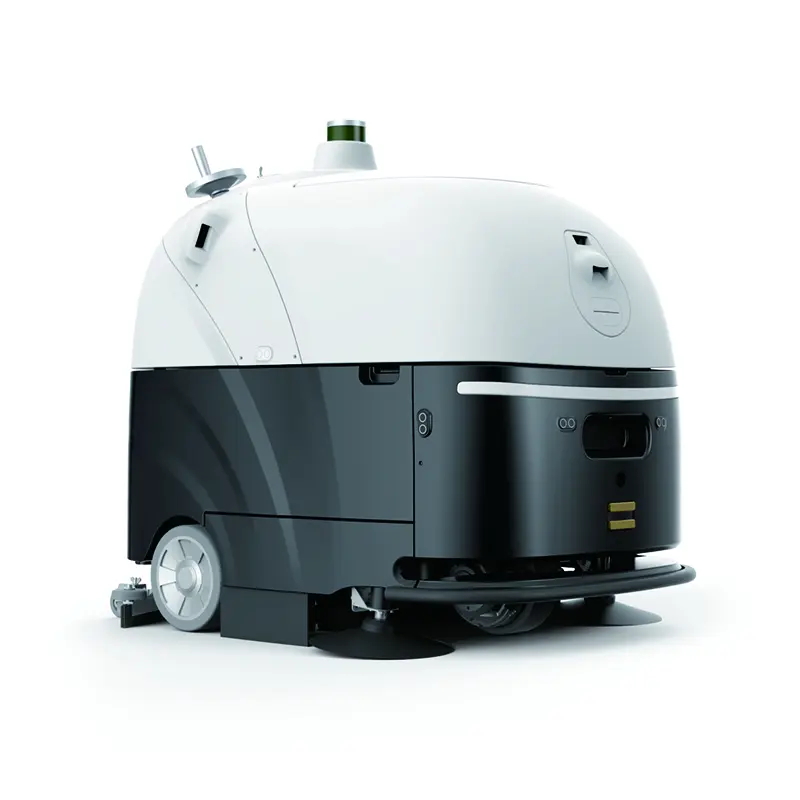
Driverless floor scrubbers are becoming increasingly popular in larger facilities. These autonomous machines navigate programmed routes and clean without requiring a dedicated operator. For businesses running multiple shifts or facing labor shortages, a driverless floor scrubber offers a way to maintain consistent cleaning schedules with minimal staff involvement.
Signs It May Be Time to Make the Switch
If you are still unsure whether a floor scrubber is worth it for your operation, consider whether any of the following situations sound familiar:
●Your floors never seem truly clean, no matter how often they are mopped.
●Cleaning takes longer than you would like, and labor costs are a constant concern.
●You have noticed slip hazards or received complaints about wet floors.
●Your facility has large areas of hard flooring that need daily or near-daily attention.
●You are spending more on replacement mops, chemicals, and labor than you expected.
If any of these resonate, a floor scrubber is likely a worthwhile investment for your business.
Final Thoughts
For most businesses with significant hard floor surfaces, a floor scrubber is not just a luxury it is a practical tool that improves efficiency, safety, and cleanliness. The initial cost can feel like a hurdle, but when you factor in labor savings, reduced chemical use, and the longevity of the equipment, the return on investment becomes clear.
If you are ready to move beyond the mop and bucket, a floor scrubber offers a straightforward way to achieve better results with less effort. Whether you choose a walk-behind model for tight spaces, a ride-on machine for large areas, or a driverless floor scrubber for autonomous operation, the right equipment can transform how you maintain your facility.
Post time: Mar-27-2026