

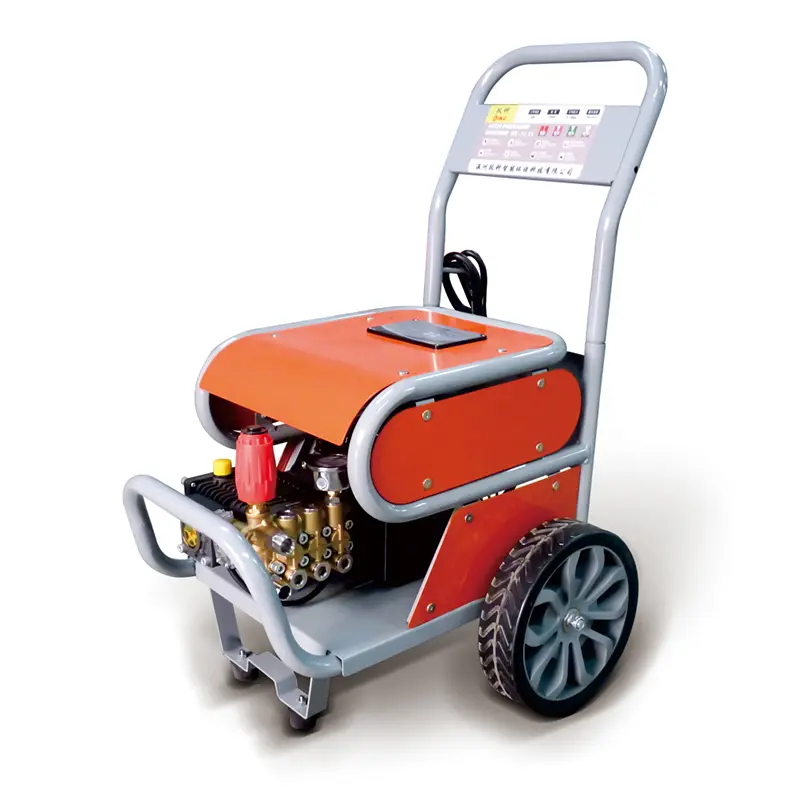
Pressure washers are powerful cleaning tools, but if you’re wondering whether they pose a risk, the answer is yes when mishandled. With the right knowledge, they are safe and highly effective. An industrial pressure washer takes this power to another level, built for heavy-duty jobs like degreasing machinery, cleaning large concrete areas, or maintaining fleets. Unlike standard units, these machines are designed for continuous use and deliver higher pressure and water flow, making them a go-to for workshops, factories, and commercial sites.
Understanding the Real Risks
The main danger with any pressure washer comes down to the force of the water. Even a residential unit can reach 2,000 to 3,000 PSI, but an industrial pressure washer often exceeds 4,000 PSI. At that level, the water stream can cut through more than dirt it can damage surfaces, strip coatings, or cause serious injury if it contacts skin. High-pressure injection injuries, where water penetrates the skin, are rare but serious. The good news is that these risks are easy to avoid with proper technique and respect for the equipment.
Where an Industrial Pressure Washer Makes Sense
If you manage a facility, run an auto repair shop, or handle outdoor cleaning professionally, you likely need more than a consumer-grade machine. Industrial units are built to run for hours without overheating, and many offer hot water or steam options ideal for cutting through grease, oil, and grime that cold water can’t touch. Common uses include:
●Cleaning heavy machinery and forklifts
●Washing fleet vehicles and trailers
●Removing paint or graffiti from concrete
●Sanitizing food processing areas
When you invest in this class of equipment, you’re buying durability and efficiency. Jobs that take hours with a smaller washer can be completed in minutes, and the machine itself typically lasts for years with basic maintenance.
Simple Safety Practices That Work
Safety doesn’t have to be complicated. The most effective habits are also the simplest:
●Choose the right nozzle. A narrow 0-degree tip concentrates pressure into a dangerous pinpoint stream. For most cleaning, a 25-degree or wider nozzle is safer and just as effective.
●Keep distance. Hold the nozzle at least 12 to 18 inches away from the surface and farther from people or animals.
●Inspect before use. Check hoses, connections, and triggers for leaks or wear. On an industrial pressure washer, a damaged hose under high pressure can whip unexpectedly.
●Wear basic gear. Safety glasses, closed-toe shoes, and gloves go a long way. Hearing protection is also smart for gas-powered models.
What Buyers Often Ask
One common question is whether an industrial model is overkill. If you’re cleaning professionally for more than a few hours a week, or if reliability directly impacts your workflow, then it’s the right choice. Another frequent concern is fuel type. Electric industrial washers are quieter and better suited for indoor use, while gas or diesel models offer portability and higher pressure for outdoor job sites.
Maintenance is another consideration. These machines require regular pump oil checks and filter cleaning, but most are designed with easy access to service points. A well-maintained unit will run reliably for years.
Summarize
Are pressure washers dangerous? Like any powerful tool, they demand respect. An industrial pressure washer is a serious investment, but when used correctly, it becomes one of the most dependable tools in a demanding environment. By understanding the machine’s capabilities, sticking to basic safety habits, and choosing a model that fits your actual workload, you get professional results without unnecessary risk.
Post time: Mar-30-2026