

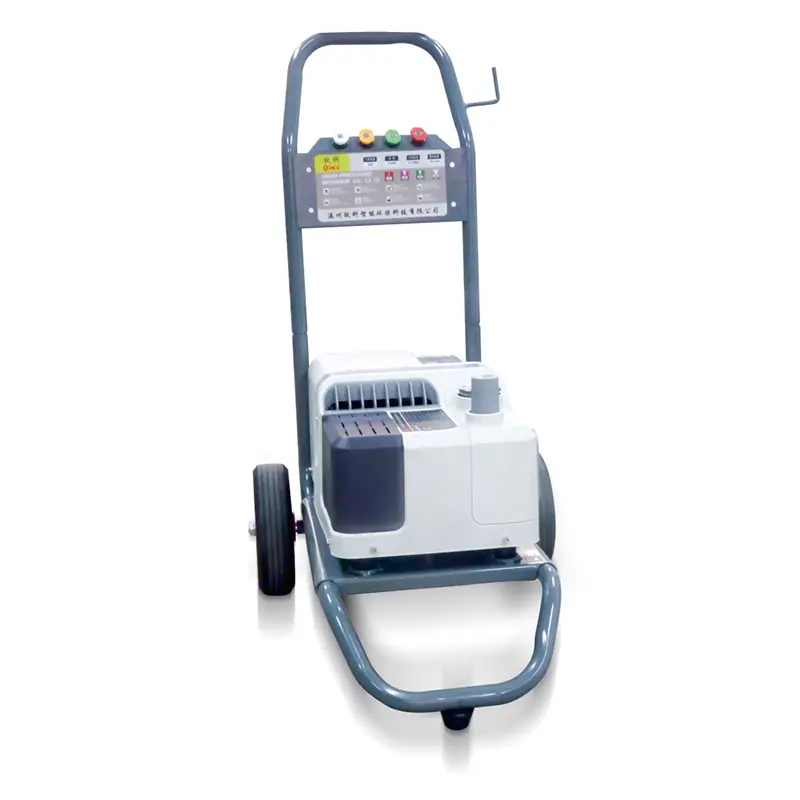
Cleaning large-scale equipment, vehicles, or facilities requires power and efficiency that standard washers can’t provide. An industrial pressure washer is a heavy-duty machine designed for these demanding tasks. It delivers a high-pressure stream of hot or cold water to remove stubborn dirt, grease, grime, and contaminants from surfaces quickly and effectively. For facility managers, fleet operators, or contractors, selecting the right industrial pressure washer is crucial for maintaining safety standards, ensuring operational readiness, and managing cleaning costs.
Why Invest in an Industrial Pressure Washer?
The primary advantage of using an industrial pressure washer is its ability to accomplish in minutes what would take hours of manual scrubbing. This translates directly into significant labor savings and increased productivity. More than just a convenience, these machines provide a deeper, more thorough clean that helps prevent the buildup of corrosive materials, extends the lifespan of valuable assets, and ensures compliance with hygiene and safety regulations in sectors like food processing or manufacturing.
Key Benefits and Common Applications
◆Power and Efficiency: Industrial models generate much higher water pressure (measured in PSI) and flow rates (GPM) than consumer-grade machines, cutting cleaning time dramatically.
◆Versatility and Effectiveness: With options for hot or cold water and a range of chemical injectors, they can tackle diverse challenges from dissolving caked-on grease with hot water to gently rinsing off salt without chemicals.
◆Durability and Reliability: Built with commercial-grade pumps, engines, and frames, these washers are engineered for frequent use in tough environments, offering a better long-term return on investment.
◆Enhanced Safety and Compliance: A thorough clean removes slippery oils and hazardous materials from work areas, reducing accident risks. In regulated industries, they are essential for meeting strict sanitation codes.
You will typically find industrial pressure washers in use across numerous sectors:
◆Manufacturing & Warehousing: Cleaning factory floors, machinery, molds, and storage areas.
◆Transportation & Fleet Maintenance: Washing trucks, buses, agricultural equipment, and aircraft.
◆Food & Beverage Processing: Sanitizing production lines, containers, and facilities to meet health standards.
◆Construction: Removing concrete slurry, dirt, and debris from tools, vehicles, and job sites.
Selecting the Right Industrial Pressure Washer: Key Considerations
◆Pressure (PSI) and Flow (GPM): These are the most critical ratings. Higher PSI provides more cleaning force, while higher GPM covers larger areas faster. A balance of both is key for effective cleaning.
◆Hot vs. Cold Water: A hot water industrial pressure washer is far superior for cutting grease, oil, and fats common in auto shops or kitchens. Cold water units are suitable for general rinsing and dirt removal.
◆Power Source: Choose between heavy-duty electric motors (for indoor/quiet use) or diesel/gasoline engines (for remote outdoor locations).
◆Durability & Features: Look for robust construction, easy-access maintenance points, and useful features like adjustable pressure settings, built-in chemical tanks, and wheel kits for mobility.
Summarize
A reliable industrial pressure washer is a strategic investment that enhances cleaning productivity, preserves equipment value, and improves workplace safety. By selecting a model with the right pressure, flow, and temperature for your tasks, you turn it into a lasting asset rather than a poor purchase. For operations with frequent or tough cleaning demands, an industrial-grade machine is essential not just an upgrade. Consulting an equipment specialist can help you navigate choices and find the best fit for your needs.
Post time: Jan-28-2026