

Pressure vs. Flow Rate: Why Both Matter
PSI and GPM are the two core metrics for any high-pressure washer. Pressure breaks stubborn grime, while flow rate flushes loosened dirt away. The balanced combination decides real cleaning performance.
| Feature | Description | Best For |
|---|---|---|
| Pressure (PSI/Bar) | Measures how hard the water hits the surface; higher pressure removes tough grime and stains. | Stubborn dirt, stuck-on debris, mold, and paint removal. |
| Flow Rate (GPM/LPM) | Indicates how much water the washer pumps out per minute; higher flow rinses debris away faster. | Large surface areas, quick rinsing, general cleaning tasks. |
| Balanced Pressure & Flow | Combines enough cleaning power with efficient rinsing for most household and commercial jobs. | Driveways, patios, vehicles, exterior walls. |
| Low Pressure & High Flow | Gentle cleaning that’s safe for delicate surfaces and easy to rinse without damage. | Painted surfaces, wood decks, garden furniture. |
| High Pressure & Low Flow | Targets concentrated dirty spots but may take longer to rinse off loosened debris. | Small, tough stains, spot cleaning. |
Power Source and Duty Cycle: Matching Your Needs
Most high pressure washers are powered by either electricity or gas. Electric pressure washer models are lighter and perfect for typical home use, while gas-powered washers deliver more force for demanding, outdoor, or industrial work.
Duty cycle—the length of time a washer can run before needing a break—is crucial. For frequent or continuous cleaning, seek models rated for longer continuous operation. Occasional users will find basic intermittent-duty models sufficient.
The Hose and Gun: Make Your Life Easier
Your washer’s hose and gun setup greatly affects convenience and reach. A high pressure washer hose comes in various lengths and materials. Longer, flexible hoses allow you to clean more areas easily. The spray gun should feel comfortable in your hand, and interchangeable nozzles provide versatility for different cleaning needs. Always ensure compatibility and durability for maximum safety and performance.
What Specs Don’t Tell You: The Missing Bits
Manufacturers highlight power and flow but overlook other critical factors. Hot water pressure washers are essential for oil and grease but cost more. Noise level is important for residential areas — electric models are usually quieter. Water recovery and recycling are worth considering in workshops to avoid puddles.
Routine maintenance, like checking hoses, connections, and keeping filters clean, enhances the machine’s longevity. Safety is key — always inspect for leaks and wear, use protective gear, and avoid spraying people, pets, or fragile surfaces.
Industrial Use: What’s Different?
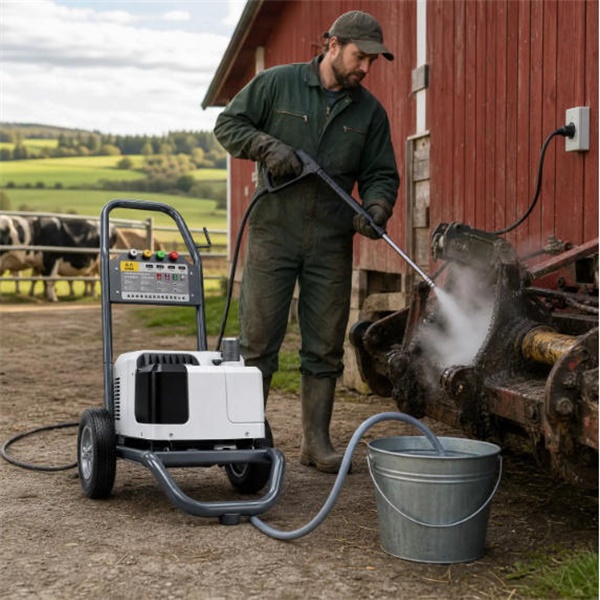
Industrial high pressure washers are built for tough tasks and frequent use. These machines offer higher pressures, more water volume, and can handle specialty attachments like sandblasting kits. They’re the go-to choice for cleaning machinery, heavy vehicles, or extensive shop floors. Always choose a reliable supplier for quick parts and service support.
Frequently Asked Questions
What does duty cycle mean for a high pressure washer?
Which nozzle tip should I use for different jobs?
How can I reduce noise during operation?
What maintenance extends service life?
Need help selecting a high pressure washer?
Share your cleaning area, surface type, power access and usage frequency if you compare electric or gas pressure washers for residential or industrial projects.
Post time: Nov-06-2026