

A high pressure washer is essential for tough cleaning tasks, from outdoor surfaces to vehicles. Choosing the right machine ensures maximum efficiency and safety. Modern models feature a durable, thickened pump head for stable, powerful output. Safety is key: intelligent temperature control prevents overheating, automatic power-off adds protection, and multiple safeguards guard against overload, overheating, and overpressure. Users can clean confidently without worrying about malfunctions or hazards.
Whether you’re a homeowner or a cleaning professional, investing in a high pressure washer with a motor built for endurance offers significant benefits. Some units are engineered for continuous operation up to 24 hours, making them ideal for large projects requiring consistent performance. Flexibility is also built in, with selectable energy-saving low-pressure and high-pressure modes. The low-noise operation design minimizes sound pollution—a valuable feature for residential and commercial use alike. A precise visual pressure gauge provides real-time feedback, allowing for easy and accurate adjustment of pressure levels.
Understanding High Pressure Washer Operation
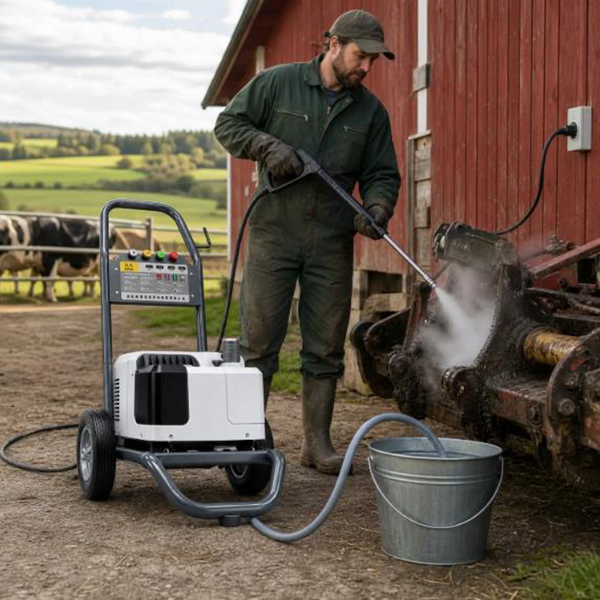
A high pressure washer machine works by forcing water through a narrow nozzle at very high speed, turning ordinary tap water into a powerful cleaning jet. The stable pump head and robust motor guarantee consistent pressure, effectively removing grime, stains, and debris from patios, driveways, siding, and more. As technology advances, safety systems such as temperature sensors and automatic cut-off switches play a critical role in user protection.
Why Safety Is Critical with High Pressure Washers
While these machines are powerful and efficient, misuse can result in injury or property damage. The jet of water can cut skin, damage fragile surfaces, and even penetrate certain materials. Enhanced safety features like overload, overheat, and overpressure protections ensure the machine automatically responds to unexpected events. A well-designed washer keeps user safety and comfort at the forefront, making these risks easier to manage.
Preparing Your High Pressure Washer for Safe Use
Before starting, always consult the user manual and check for unique safety instructions relevant to your specific model. Modern washers—especially those designed for extended operation—require special attention to pump head integrity and electrical safety checks. Wear protective goggles, gloves, and closed-toe footwear to guard against flying debris and accidental spray. The area should be clear of hazards, pets, and children.
For optimal efficiency and safety, verify your connections, select proper nozzles, and check the visual pressure gauge to ensure you start at the correct level. The advanced machines make this process more straightforward, giving you constant readouts to adjust pressure precisely when switching between low-pressure and high-pressure modes.
How to Set Up and Operate Your Washer Safely
Assemble the unit, attach hoses, set the pump pressure, and connect the water supply tightly. Prime the pump by squeezing the trigger; this removes air from the system, enhancing output stability and preventing damage. Start cleaning from a safe distance—at least two feet from the surface—and apply the jet in steady strokes, overlapping slightly for thorough coverage. The intuitive pressure gauge allows for quick adjustments based on surface type and contamination level.
Always monitor the washer’s operating temperature and listen for any unusual noises. Should the machine sense overheating, it will automatically shut down, thanks to the built-in temperature control and safety features. This protects both the equipment and the user during intensive, long-duration cleaning.
Common Safety Mistakes to Avoid
Never aim the spray at people, pets, or fragile items. Begin with low-pressure settings for delicate surfaces, and only increase pressure as needed for tougher stains. Avoid spraying electrical outlets or fixtures. Rely on your washer’s overload and overpressure protections, but do regular manual inspections for leaks, loose connections, or worn parts. Never bypass the safety systems—even on machines engineered for continuous operation.
Choosing the Right Washer for Your Needs
Select a high pressure electric pressure washer or gas model based on your cleaning requirements. A washer with high durability, real-time visual pressure controls, and low-noise operation is ideal for frequent use—whether you’re maintaining your home, running a cleaning business, or managing public spaces. Consider factors such as power modes (energy-saving and high-power), noise levels, and safety certifications when making a purchase.
A versatile, reliable model with multi-protection features serves both individual owners and professionals, tackling a wide variety of cleaning challenges while maximizing comfort and security.
Maintenance and Handling Detergents
After each use, release system pressure and clean hoses and nozzle attachments. Periodically inspect the pump head for wear and tear. Use only detergents recommended for your machine to prevent clogs or unwanted chemical reactions, and always flush the washer after applying cleaning solutions. Store your unit in a dry location and, for models designed for long-term operation, follow all manufacturer guidelines on oil changes and routine servicing.
Frequently Asked Questions
What should I check before using a high pressure washer?
Read the manual, check the pump head and electrical connections, clear the area, and wear safety goggles, gloves, and closed-toe shoes.
What are the biggest safety mistakes to avoid?
Never spray people, pets, or electrical outlets. Use low pressure on fragile surfaces and never bypass built-in safety protections.
How can I avoid damaging surfaces?
Keep the nozzle at least two feet away, use steady overlapping strokes, and start with low pressure before increasing it.
Can I run a high pressure washer for long periods?
Some models run continuously for up to 24 hours. Still, watch the temperature—if it overheats, it will shut down automatically.
To conclude, a high pressure washer combining durability, advanced safety systems, and flexible operating modes is a trustworthy solution for demanding cleaning needs. Its efficient, powerful output, quiet operation, and smart protections ensure user safety and comfort throughout the job. By following setup, operation, and maintenance best practices, and choosing a machine tailored to your specific requirements, you guarantee safe, reliable, and effective cleaning every time.
Post time: Oct-12-2026