

If you need to clean large floor areas quickly and efficiently, a ride-on floor scrubber is the industry standard. These machines combine powerful scrubbing, comfortable operation, and fast drying, making them perfect for warehouses, malls, hospitals, and other commercial facilities. In this guide, you’ll discover the essentials of choosing, operating, and maintaining your ride-on floor scrubber for the best possible results.
Understanding Ride-On Floor Scrubbers
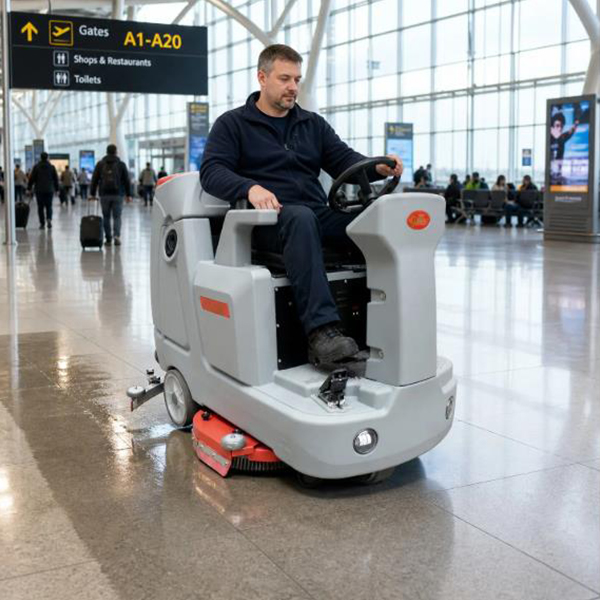
A ride-on floor scrubber is a cleaning machine that allows the operator to sit and drive, covering extensive spaces rapidly. Unlike walk-behind scrubbers, they are designed for high-volume cleaning with minimal labor. The machine features rotating brushes, a clean water solution tank, a recovery tank for dirty water, and a vacuum system that leaves floors dry and safe to walk on. Commercial and industrial ride-on floor scrubber machines benefit busy environments by offering faster, more consistent results.
Safety Checks Before You Start
Safety is paramount. Before powering up your scrubber, always:
- Inspect the machine for damage or leaks.
- Check that all safety features (emergency stop, seat belt) are working.
- Scan the cleaning area for obstacles.
- Wear recommended personal protection equipment if necessary.
Setting up the machine includes charging batteries, filling the clean water tank with the correct solution, checking scrub brushes or pads, and making sure the recovery tank is empty.
Step-by-Step: Operating Your Ride-On Scrubber
Begin by sitting comfortably, reviewing the control panel, and starting the engine or battery system. Select appropriate cleaning settings based on floor type and dirt level. Lower the scrub head and squeegee, then drive the machine in straight overlapping passes for maximum coverage. Slow down around corners and obstacles, keeping brushes in contact with the floor. When finished, raise the scrub head, turn off all systems, and empty the recovery tank.
Common Operating Mistakes to Avoid
To get consistent results, avoid rushing, skipping overlaps between passes, using incorrect solution ratios, or ignoring machine maintenance routines. Going too fast reduces cleaning effectiveness; not cleaning brushes or tanks after each use leads to breakdowns. Always follow the manufacturer’s guidelines.
Maintenance Tips for Optimal Performance
After each shift, rinse the recovery tank, clean the brushes, and wipe down surfaces. Inspect hoses, filters, and batteries regularly. Schedule professional service every few months if your machine sees heavy use. Standard upkeep prevents odors and breakdowns, extending your scrubber’s lifespan and maintaining cleaning quality.
FAQ: Ride-On Floor Scrubber Basics
Can I use any cleaning solution?
Only use products recommended by the manufacturer for your specific model and floor type.
How long will a commercial scrubber last?
With proper maintenance, most machines last 5–10 years.
What should I do if the machine won’t start?
Check battery charge, emergency stop button, and connections. Refer to the user manual for troubleshooting.
Will it work on all floor types?
Match the brush, pad, and solution to your floor material.
Using a ride-on floor scrubber is straightforward when safety, proper operation, and maintenance routines are prioritized. These machines help facilities maintain clean, safe, and professional spaces while saving time and labor. Invest in training, follow best practices, and choose the right scrubber for your needs—your floors and your business will benefit.
Post time: Oct-16-2026