

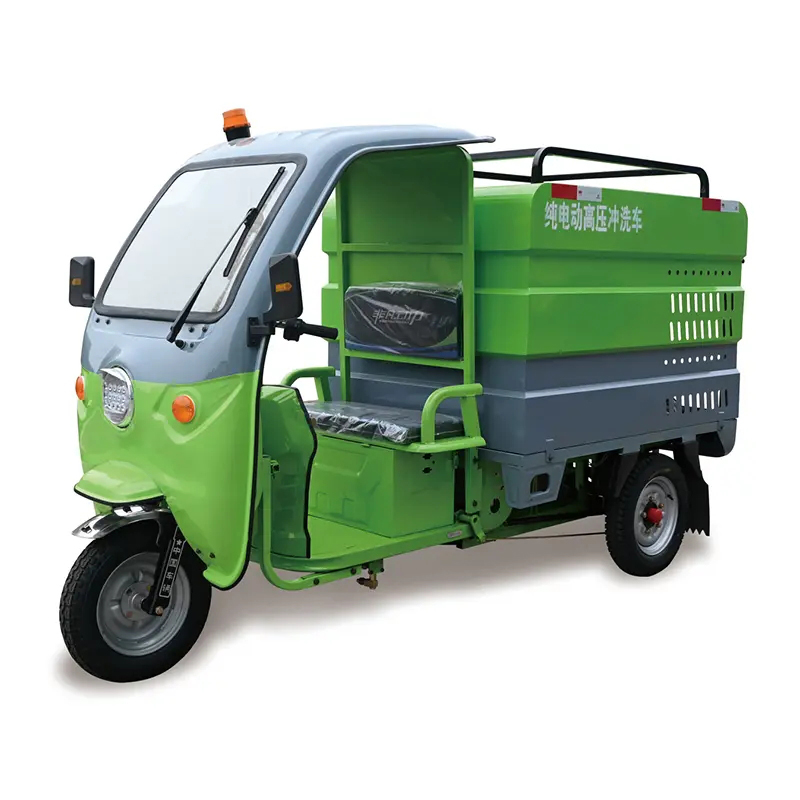
An industrial three wheeler vehicle is a compact, load-carrying machine built for factories, warehouses, and large work sites. It combines the stability of a three-wheel design with a tight turning circle, allowing operators to move goods efficiently in spaces where larger trucks simply cannot go.
Why You Should Consider an Industrial Three Wheeler Vehicle
If you manage a busy facility, you know how frustrating it can be when material handling slows down because vehicles are too big for aisles or loading bays. An industrial three wheeler vehicle solves this by offering a perfect middle ground it carries more than a hand truck, yet fits where a conventional van or pickup cannot. For team leaders and facility managers, this means fewer delays, less physical strain on workers, and smoother daily operations.
Key Benefits That Matter to Buyers
1. Excellent Maneuverability
An industrial three wheeler vehicle turns easily thanks to its single front or rear wheel. It navigates narrow aisles and crowded loading docks with less reversing, saving time throughout the shift.
2. Lower Operating Costs
Simpler and lighter than four-wheeled alternatives, an industrial three wheeler vehicle consumes less fuel or electricity. Tires wear more slowly and maintenance costs less, making it an economical choice for daily transport.
3. Simple to Operate
With basic controls like throttle, brake, and steering, most workers learn quickly. An industrial three wheeler vehicle often requires no special license, reducing training time and paperwork.
4. Adaptable to Different Surfaces
From smooth concrete to gravel or uneven asphalt, an industrial three wheeler vehicle handles varied surfaces reliably. The three-wheel design provides stability while absorbing small bumps that could upset other platforms.
Where an Industrial Three Wheeler Vehicle Is Most Useful
These vehicles are not for every application, but they excel in several common environments:
●Warehouses and distribution centers: Moving empty pallets, small batches of inventory, or recycling materials between zones.
●Manufacturing plants: Transporting components from storage to assembly lines, or moving finished goods to staging areas.
●Large retail stores and shopping malls: Restocking supplies, collecting waste, or moving equipment across back-of-house corridors.
●Airports and seaports: Luggage transfers, cargo handling, or moving ground support equipment in tight turnaround areas.
●Campus and municipal maintenance: Delivering tools to grounds crews, collecting litter, or carrying supplies across university or hospital campuses.
What to Look for When Buying
Before purchasing an industrial three wheeler vehicle, consider your typical load weight. Many models carry between 200 kg and 800 kg. Think about power source: electric is quiet and fume-free for indoor use, while small gasoline or diesel engines offer longer range for mixed indoor/outdoor duty. Check the cargo platform flatbeds work well for boxes, while drop sides or dump beds add versatility for loose materials. Finally, confirm that spare parts and service support are available in your area to avoid long downtime later.
Summarize
An industrial three wheeler vehicle is a practical tool that solves real problems: moving loads efficiently through tight spaces, keeping operating costs low, and getting workers productive quickly. It will not replace a forklift for heavy lifting or a truck for long hauls, but for daily material handling in and around facilities, it is a smart investment. By choosing the right configuration for your site, you can reduce worker fatigue, speed up logistics, and keep operations running smoothly.
Post time: Apr-08-2026