

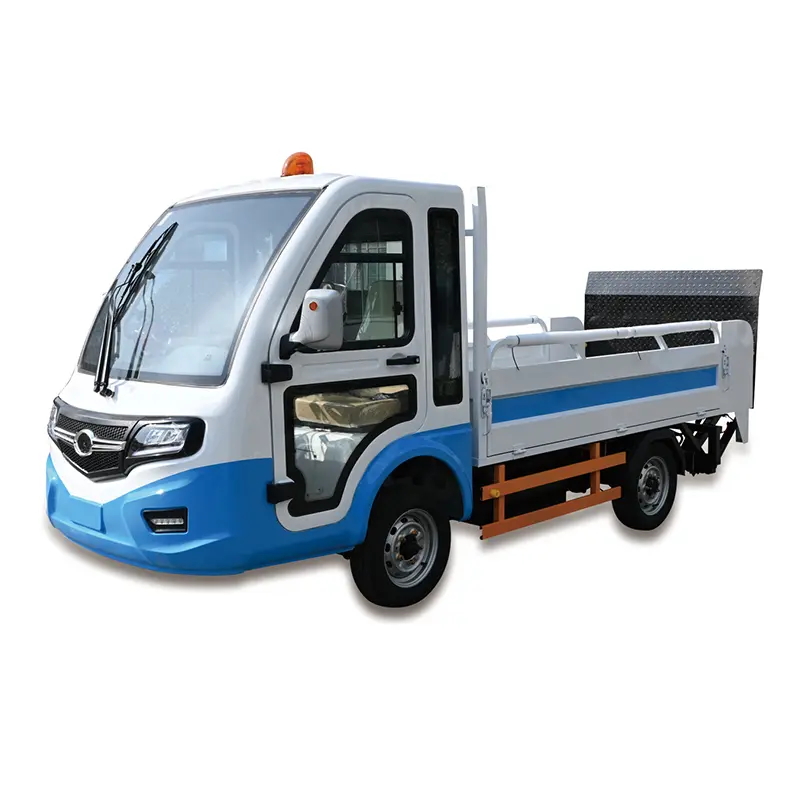
A disposal truck is the vehicle you see collecting garbage, recyclables, and organic waste from curbsides and commercial stops then hauling it all away for processing or landfill. Often called a waste truck, it does more than just carry trash. Modern designs compact the load to maximize capacity, lift heavy bins with hydraulic arms, and handle multiple material streams in a single run. Whether serving a dense urban route or a sprawling suburban neighborhood, this specialized machine keeps sanitation systems moving and communities healthy.
How a Waste Truck Actually Works
Every waste truck performs three essential jobs: collection, compaction, and transport. The collection method depends on the truck type. Some use automated arms to grab standardized carts, others rely on a rear hopper where workers toss in bags and bulky items. Once material enters the body, a compaction mechanism presses it tight, squeezing out air and creating room for more. By the time the truck is full, the payload can be four times denser than loose garbage. That compaction step is what allows a single truck to service hundreds of homes before heading to a transfer station or landfill.
Common Types You’ll See on the Road
Buyers typically evaluate a few main configurations based on their route profile:
- Rear Loaders: The classic design with an opening at the back. Crews load waste directly into a hopper, and a packer blade pushes it inside. These work well on routes with varied or bulky items and narrow streets.
- Front Loaders: Equipped with fork arms at the front that engage commercial dumpsters, lift them overhead, and empty the contents into a top opening. Commercial routes—restaurants, apartment complexes, office parks lean heavily on these.
- Side Loaders: Often fully automated. A single driver controls an arm that reaches out, grabs a cart, and empties it without leaving the cab. Residential neighborhoods with uniform carts are the ideal fit here.
- Roll-Off Trucks: Instead of a fixed body, these carry large open containers that roll on and off the chassis. Construction sites, demolition projects, and industrial cleanouts depend on this style.
Why the Right Waste Truck Matters
For fleet managers and municipal buyers, the vehicle specification directly shapes daily operations. An automated side loader can turn a three-person crew into a one-driver operation, cutting labor costs noticeably. A well-matched compaction ratio extends the time between dumping trips, saving fuel and reducing chassis wear. Durability in high-cycle use—thousands of lifts, constant stop-start driving—means looking closely at steel floor plates, hopper reinforcement, and corrosion protection. And when a truck does need service, straightforward access to hydraulics and modular electrical components keeps downtime short.
Matching the Truck to the Job
Start with the application. Tight city streets with unpredictable parking patterns often call for a maneuverable rear loader. Sprawling suburban subdivisions built around evenly spaced, standardized carts suit automated side loaders. Commercial food service routes with heavy dumpsters and frequent pickups align naturally with front loaders. For construction and bulk cleanup, a roll-off waste truck paired with a range of container sizes offers the flexibility to handle wildly fluctuating volumes.
Payload limits play a big role too. Many regions enforce strict axle weight regulations. A chassis that balances body strength with lighter overall weight helps operators stay legal without sacrificing how much they can carry per trip.
Practical Buying Considerations
Beyond choosing the right configuration, experienced buyers examine cycle times for compaction and bin lifting. Compatibility with local cart standards matters an automated arm that doesn’t cleanly grab the municipality’s chosen cart creates constant frustration. Onboard diagnostics that flag issues early prevent minor problems from becoming roadside breakdowns. And with noise restrictions spreading through urban tenders, quieter hydraulics and electric powertrain options are gaining attention, especially for routes that run during early morning hours.
Think long-term as well. Most fleets keep a waste truck in service for seven to ten years, often running multiple daily shifts. Total cost of ownership fuel, preventive maintenance, parts availability, and residual value tells a truer story than the purchase price alone. A strong local parts and service network prevents a single hydraulic pump issue from sidelining a truck through a full collection cycle.
Selecting the right disposal truck means understanding the route, the material stream, and the operational realities of daily collection work. A thoughtful choice keeps drivers safe, routes running on time, and the communities served clean.
Post time: Apr-27-2026