

Shoppers often wonder if a floor scrubber and an auto scrubber are different machines. They’re not. Both terms describe the same equipment a walk-behind or ride-on unit that scrubs, washes, and dries hard floors in one pass. The word “automatic” simply highlights that the machine dispenses solution, scrubs with rotating brushes, and squeegees dirty water into a recovery tank, eliminating separate mopping. In practice, “floor scrubber” acts as the broader term, while “auto scrubber” emphasizes the all-in-one functionality.
How an Automatic Floor Scrubber Actually Works
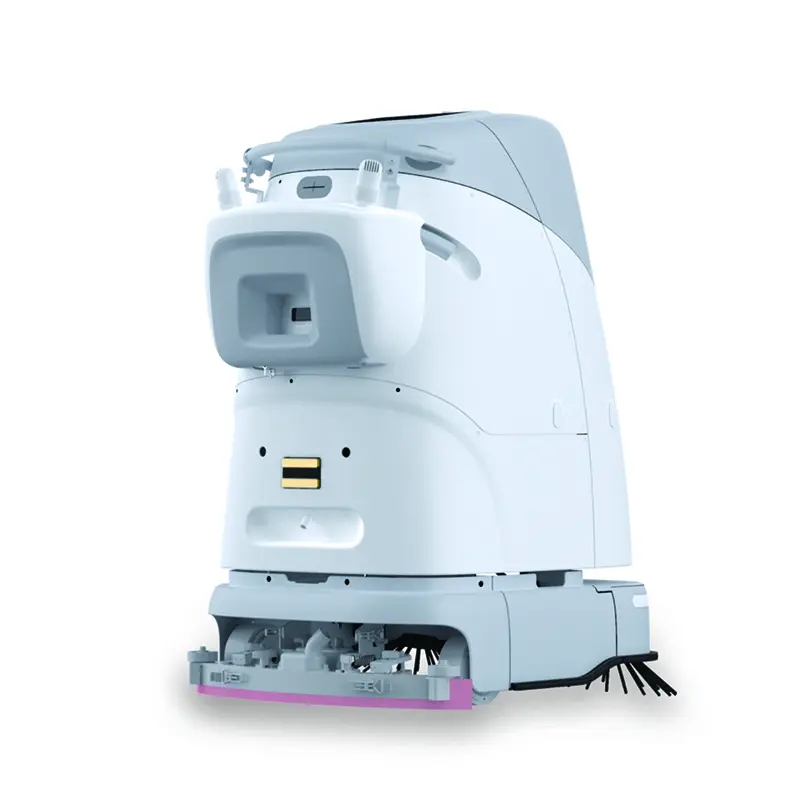
Understanding the mechanism helps explain why the “automatic” label matters. With a traditional mop-and-bucket method, the process involves separate steps: apply solution, scrub, then remove dirty water often leaving a wet, slippery floor in the process. An automatic floor scrubber combines all three actions simultaneously. It lays down fresh cleaning solution, scrubs the surface with a brush deck, and immediately vacuums up the soiled liquid into a recovery tank. The result is a clean, nearly dry floor that’s safe to walk on within minutes.
Operators either walk behind the machine or ride on top of it, guiding it across open floor space. The scrubbing width typically ranges from around 17 inches for compact models up to 40 inches or more on large ride-on units, which determines how quickly a given area can be covered.
Where the Confusion Comes From
Some confusion arises from older machine categories that still exist today. A floor buffer or burnisher spins a pad at high speed to polish or strip finishes but doesn’t dispense water or pick up slurry. A commercial floor sweeper collects dry debris and dust using rotating brushes and a hopper, with no water involved. Neither of these performs the wet scrubbing and immediate drying that define an automatic floor scrubber. When you hear “floor scrubber” in a modern commercial context, it almost always means an automatic machine but it’s worth confirming the specification sheet includes both solution dispensing and recovery functions.
Key Advantages Over Traditional Methods
For facility managers and cleaning contractors, the move to an automatic floor scrubber brings several practical improvements:
●Productivity Gains: One operator on a ride-on scrubber can clean tens of thousands of square feet per hour. Compare that to a team pushing mops, and the labor savings add up quickly.
●Consistent Results: Brush pressure, solution flow, and vacuum recovery stay uniform regardless of operator fatigue. Tile grout lines and textured floors come out noticeably cleaner than with manual mopping.
●Improved Safety: Because dirty water is vacuumed up immediately, floors dry faster. Less standing water means fewer slip hazards, especially important in retail spaces and healthcare corridors during operating hours.
●Chemical and Water Savings: Precision dispensing applies only what’s needed, reducing waste. Some machines recycle solution or adjust flow based on travel speed.
Common Applications for an Automatic Floor Scrubber
These machines shine wherever large, hard-surface floors need frequent cleaning. Grocery stores use walk-behind or compact ride-on models to clean aisles without disrupting shoppers. Warehouses and distribution centers lean on heavy-duty ride-on scrubbers to cover vast concrete floors between shifts. Schools and university buildings often opt for mid-sized units that navigate classrooms and hallways easily. Hospitals value the near-dry finish and the hygienic separation of clean solution from recovered waste, reducing cross-contamination risks.
Even smaller venues are adopting them. Compact walk-behind automatic floor scrubbers now fit through standard doorways and operate quietly enough for daytime use in clinics, small retail shops, and restaurants.
How to Choose the Right Unit
Start by measuring the total square footage you’ll clean and the available aisle widths. A general rule of thumb: under 15,000 square feet favors a compact walk-behind, while spaces above 40,000 square feet often justify a ride-on. Battery runtime and tank capacity should match your cleaning window nothing slows a shift like stopping mid-route to refill or recharge.
Brush type also matters. Soft nylon or polypropylene brushes suit smooth tile and sealed concrete. Abrasive pads or brushes with grit tackle stubborn grime and uneven surfaces. If you’re cleaning around obstacles like pallet racks or dining tables, check the scrub deck’s side clearance and the machine’s turning radius.
Pay attention to onboard diagnostics and maintenance access. Cylindrical brush models can sweep fine debris as they scrub, eliminating a separate sweeping step. Disc deck machines tend to handle heavier buildup. Onboard chargers, easy-fill ports, and tool-free brush changes reduce daily downtime.
Making Sense of the Terminology
So when you see “floor scrubber” and “auto scrubber” used interchangeably, you can read them as the same product category. The key distinction sits elsewhere between an automatic floor scrubber and simpler machines like sweepers or burnishers that handle only one part of the cleaning process. Focusing on the complete scrubbing-and-drying function clarifies what you’re actually comparing and helps avoid buying equipment that doesn’t fully solve your floor cleaning challenge.
Post time: Apr-29-2026