

If you manage cleaning for a large area like a warehouse, parking lot, or walkway, you’ve probably come across the term “sweeper.” The name might seem obvious and it is. These machines are designed to perform the same task as a hand broom, but on a larger, faster, and far more efficient scale. They sweep.
A modern Sweeper Machiner goes well beyond a simple oversized broom. Today’s units integrate mechanical brushes, vacuum suction, and often dust management features to clean deeply while depositing debris into an attached hopper. They can handle everything from fine dust and sand to leaves, gravel, and scattered litter. While the name remains straightforward, the engineering and capability behind a Sweeper Machiner are truly advanced.
What Exactly Is a Sweeper Machine?
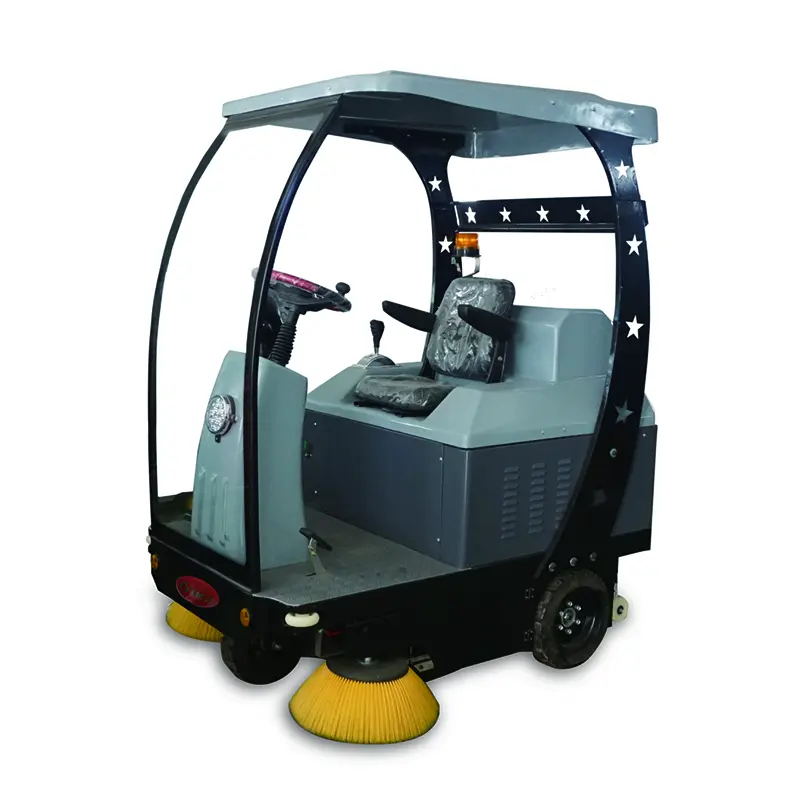
A Sweeper Machiner is essentially a powered cleaning unit, either walk-behind or ride-on, that automates the sweeping task. It typically employs rotating side brushes and a central brush to guide debris toward a vacuum inlet, which then draws it into a built-in collection container. Available in battery, propane, diesel, or gasoline power options, these machines are designed for efficient indoor or outdoor use. The aim is straightforward: to clean sizable areas rapidly, reliably, and with reduced manual effort.
Key Benefits of Using a Sweeper Machine
1.Saves Significant Time and Labor
One sweeper machine can often do the work of several people with push brooms in a fraction of the time. This allows your staff to focus on other tasks while maintaining a consistently clean environment.
2.Enhances Safety and Cleanliness
Regular sweeping with a Sweeper Machiner removes slip hazards like sand, dust, and small debris. It also helps control airborne particles—especially in enclosed spaces—contributing to better air quality and a healthier workplace.
3.Adaptable to Various Surfaces and Settings
From rough asphalt and concrete to smooth factory floors, sweepers can be adjusted to clean effectively without causing damage. Many models are versatile enough to transition from indoor industrial use to outdoor municipal cleaning.
4.Supports Environmental and Maintenance Goals
By containing debris as it’s collected, sweepers help prevent pollutants from entering drainage systems. Modern units often include features like water sprayers or HEPA filters to further reduce dust emissions.
Where Are Sweeper Machines Commonly Used?
1.Warehouses and Distribution Centers Clearing dust, plastic wrap, pallet fragments, and other common debris from high-traffic floors.
2.Manufacturing and Industrial Plants Keeping production areas free of metal shavings, powder residues, and packaging materials.
3.Parking Lots, Streets, and Municipal Areas Removing leaves, litter, sand, and gravel from public spaces.
4.Retail Complexes and Schools Maintaining clean entrances, walkways, and common areas to ensure a welcoming, safe environment.
5.Airports and Transportation Hubs Meeting high cleanliness standards in terminals, hangars, and access roads.
6.Construction Sites Cleaning up scattered dirt, sand, and small rubble during and after projects.
Choosing the Right Sweeper for Your Space
When considering a sweeper, think about the size of the area you need to clean, the typical type of debris, and whether you’ll use it indoors, outdoors, or both. Walk-behind models offer great maneuverability for tighter spaces, while rider-style machines cover large open areas much faster. Pay attention to hopper capacity, filtration efficiency, and power source to match the machine to your daily needs.
Final Thoughts
So, yes—it’s called a sweeper because its basic function is to sweep. But what truly matters is what modern Sweeper Machiner delivers: strong, dependable cleaning that saves time, enhances safety, and maintains a professional environment. Knowing how these machines operate and where they work best allows you to keep your space cleaner with less effort and better results.
Post time: Dec-26-2025