

You know how a regular garden hose just pushes dirt around? A high pressure washer is different. It takes that same water, shoves it through a tiny nozzle, and turns it into a focused stream that blasts away grime you thought was permanent. Old deck looking tired? Work vehicles caked in mud? Farm equipment that hasn’t seen a wash in months? A pressure washer cuts hours of scrubbing down to minutes.
Let me walk you through how these things work, where they shine, and how to pick one without overthinking it.
How a Pressure Washer Actually Helps You
At its core, a pressure washer uses a pump to push water through a small opening. That creates a concentrated stream that breaks apart dirt and buildup. You barely have to scrub. The water does the heavy lifting, and you just point the wand where the mess is.
How much faster is it?
A long driveway that would take you half a day with a brush and bucket? Done in an hour. Maybe less. You cover large, flat areas so quickly that a weekend project turns into a Saturday morning chore.
What about those annoying hard‑to‑reach spots?
With a narrow spray tip and a long extension wand, you can clean under machinery, inside wheel wells, and along high eaves without climbing a ladder or kneeling in a puddle. The water goes exactly where you need it, not all over you.
And here’s something people don’t think about until they’re painting
If you plan to paint a fence, stain a deck, or seal a concrete driveway, you need a clean surface. A pressure washer strips off loose paint, mildew, and faded residue. That means your primer and sealer actually stick. They last longer too.
Where a Pressure Washer Makes the Biggest Difference
Home and property maintenance:Siding, walkways, fences, outdoor furniture. It restores worn wood and concrete without harsh chemicals. You can add a little detergent in the built‑in tank if mildew or algae is bad, but often just water does the job.
Farm and equipment cleaning:I know a guy who used to spend two hours scrubbing his mower after every use. Now he spends ten minutes with a pressure washer. Mud and grass hold moisture and cause rust. A quick wash after each use keeps equipment running cooler and helps belts and bearings last much longer. Also works great for animal enclosures and trailers.
Auto shops and workspaces:Mechanics blast road grime from wheel wells and undercarriages before repairs. In workshops, a pressure washer removes oily residue from floors, mats, and workbenches in seconds instead of minutes.
Light commercial jobs:Landscapers, contractors, and mobile cleaners use portable pressure washers to keep their gear looking professional. Some even add cleaning services to what they offer. It is an affordable way to show up looking like you know what you are doing.
What to Actually Think About Before Buying
There are dozens of models out there. Do not overthink it. Focus on what fits your daily needs.
Electric or gas?
Electric washers run quietly. They are lightweight. They work great if you have a power outlet nearby. Gas models give you more power and mobility. Better for rural properties or job sites with no electricity. That is the main trade‑off: noise and convenience versus raw power.
Pressure and flow – which number matters more?
Higher PSI handles tough stains. But gallons per minute (GPM) affects how fast you rinse debris away. Most homeowners do fine with 2,000 to 3,200 PSI. That range works for cars, concrete patios, fences, and general cleaning around the house.
Do you need to move it around a lot?
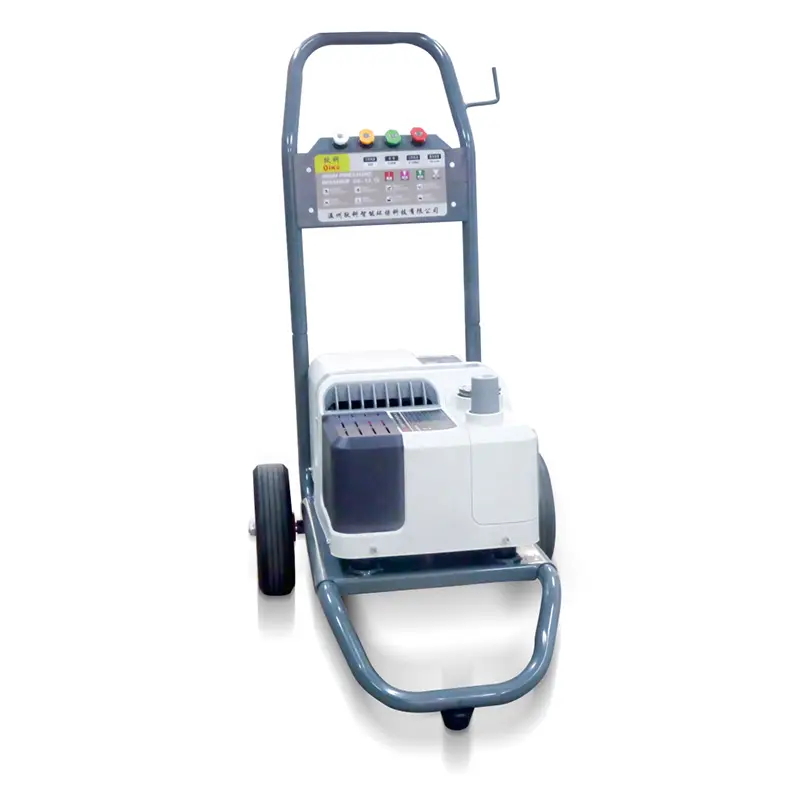
If you will be rolling it across a large property, look for big durable wheels and a long hose. If you mostly clean a small patio or a balcony, a compact lightweight design is easier to store.
A Few Simple Maintenance Habits
Pressure washers do not need much attention. But a little care prevents big headaches.
●After using detergent, run clean water through the system. That prevents clogs.
●Before winter, drain all water from the pump and hose. Freezing water cracks internal parts. A cracked pump is usually not worth fixing.
●Check the inlet filter every so often. A clogged filter starves the pump and destroys it.
That is really it. Five minutes of care after each use keeps these machines running for years.
Summarize
If you’re always borrowing or renting, you’ve already paid for your own. And once you have one, a full Saturday chore turns into an hour. Not sure what size you need? Think about your dirt. Concrete driveways? Mildew on siding? Muddy equipment? That tells you everything. A quick talk about what you actually clean – not the marketing numbers – is all you need.
Post time: Apr-17-2026