

When it comes to maintaining clean floors in residential and commercial spaces alike, the choice between a floor sweeper and a floor scrubber can greatly impact both efficiency and cleanliness. Each of these cleaning machines serves a unique purpose and understanding their differences can guide you toward the right decision for your cleaning needs. Let’s delve into the details of floor sweepers and floor scrubbers, helping you understand when and where each is most effective.
What Is a Floor Sweeper?
A floor sweeper is an essential cleaning tool designed to collect dirt, debris, and litter from hard surfaces. Available in various types including manual, electric, and industrial versions, these machines are your go-to option for quick and efficient surface cleaning. While manual versions rely on human strength to navigate cleaning tasks, electric options like cordless or push models save time and energy, making them viable for both small homes and large facilities.
How Does a Floor Sweeper Work?
Floor sweepers operate using rotating brushes that agitate and lift dirt and debris from the floor. The swept-up debris is then collected in a dustbin or bag, which can be easily emptied once full. Electric floor sweepers often feature additional functionalities, such as batteries that extend their cleaning range, and some models even incorporate filtration systems to trap fine dust.
Floor Sweeper vs Floor Scrubber: Key Differences at a Glance
Understanding the key differences between a floor sweeper and a floor scrubber can help in selecting the right tool for your cleaning needs:
1. Cleaning Method: Floor sweepers primarily remove dry debris, while floor scrubbers are designed to clean and sanitize floors using water and cleaning solutions.
2. Floor Types: Sweepers excel on hard surface floors, including concrete, tile, and wood. Scrubbers, on the other hand, are more suitable for those same surfaces, particularly when stains and spills occur.
3. Upkeep Complexity: Operating a sweeper is often simpler; it requires minimal setup and maintenance. In contrast, scrubbers usually demand more attention, including regular verification of tanks and brushes.
How to Choose Between a Sweeper and a Scrubber
Choosing between a floor sweeper and a scrubber ultimately depends on the specific requirements of your space. If your main concern is the removal of dirt and debris from hard surfaces, a floor sweeper, especially an electric push or cordless model, may be the best fit. However, if you deal with grimy surfaces that require deep cleaning, a floor scrubber will be necessary to achieve the desired level of cleanliness.
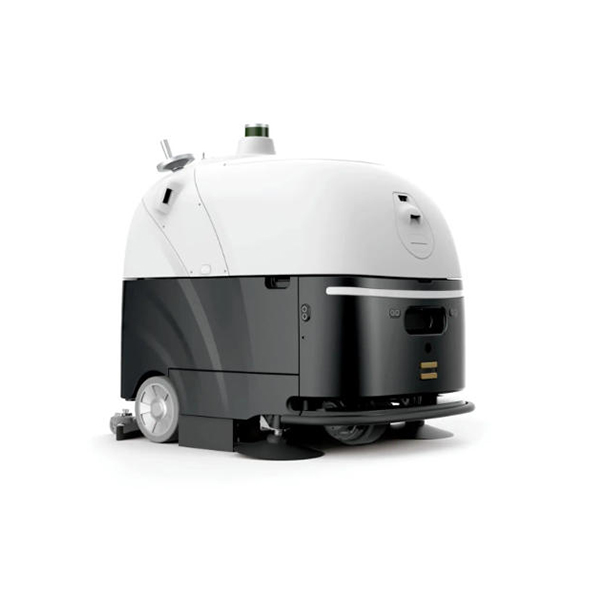
Features of an Autonomous Floor Scrubber
In the realm of advanced cleaning technologies, autonomous floor scrubbers stand out with their capabilities. They are suitable for ceramics, epoxy floors, gravel, terrazzo, marble, small tiles, corundum, and cement. Widely applied in various locations like transportation hubs, shopping malls, industrial warehouses, outdoor venues, stadiums, and exhibition centers, these scrubbers present significant advantages:
1. Dual Side Brush and Double Roll Brush Design: This feature effectively resolves sewage suction pipe blockages, enhancing reliability.
2. Autonomous Operation: Eliminates the need for manual intervention during the cleaning process.
3. Non-Filtered Water Use: Ensures higher cleaning quality with lower consumable costs and reduced maintenance labor.
4. Self-Recognition of Boundaries: Edge brushes provide zero-distance edge cleaning.
5. Automated Scheduling: Includes task scheduling, automatic wake-up, and shift operations.
6. Adaptive Roll Brush Module: Adjusts lift according to different floor cleaning needs.
7. Continuous Cleaning Features: Sweep breakpoints, complete missing spots, auto water supply and drainage, auto charging, access control, and elevator linkage.
8. Large Capacity Battery and Water Tank: A 36V/200Ah battery and 310L water tank ensure extended cleaning durations, with easy data report access.
FAQs
What Is a Floor Sweeper?
A floor sweeper is a machine designed to collect dirt and debris from hard surfaces, using brushes to sweep and gather waste into a container.
How Does a Floor Sweeper Work?
Floor sweepers use rotating brushes to clean the floor, collecting debris into a dustbin that can be easily disposed of.
If I am more focused on cleanliness, should I consider a floor scrubber instead?
If sanitation and deep cleaning are your priorities, a floor scrubber might suit your needs better as it can clean stains and spills effectively.
Can I use both a sweeper and a scrubber in my cleaning routine?
Yes! Using a floor sweeper for regular maintenance and a scrubber for deeper cleaning on occasion is a highly effective combination.
In summary, choosing between a floor sweeper and a floor scrubber depends largely on your cleaning needs. If you merely need to pick up loose debris efficiently, a floor sweeper is the right choice. When your focus shifts to deeper cleaning tasks that require a thorough mop, then investing in a floor scrubber is essential. Evaluate your cleaning environment and tasks before deciding, and enjoy the benefits of a cleaner, safer space.
Post time: Jul-22-2026