

When it comes to cleaning jobs, the equipment used is very important for achieving good results, efficiency and saving time. The two types of equipment that are commonly used are high pressure washers and regular pressure washers. Distinguishing between the two helps improve your cleaning experience besides saving effort and money on tools. The purpose of this text is to describe the high pressure washer, compare it to regular pressure washers, and help determine which one meets your requirements.
What Is a High Pressure Washer?
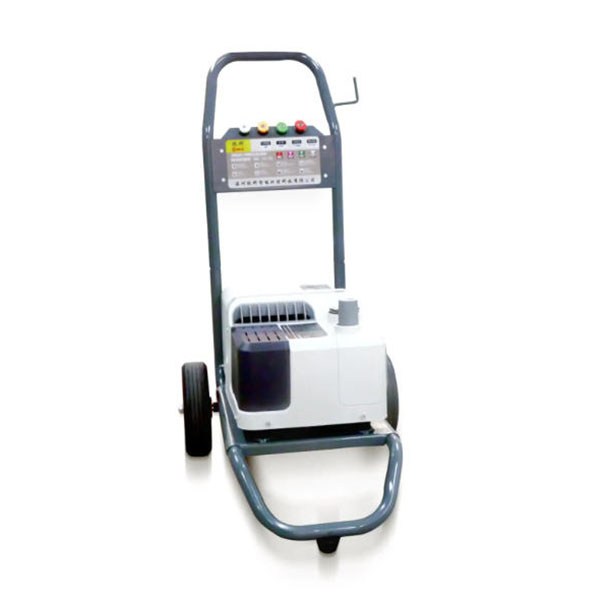
A pressure washer is an effective cleaning device used for cleaning dirt, stains, mildew and tough substances on a variety of surfaces. These machines are used mostly for commercial purposes, but they are suitable for personal use as well. Pumped by electric or gasoline engines, high pressure washers produce water pressure between 2000 psi to 4000 psi or higher. This makes them perfect for cleaning driveways, patios, porches and automobiles.
Modern high-pressure wash systems are now designed with more advanced features that enhance operational efficiency and safety. High-pressure washers come with a thick, durable pump head that ensures good performance and stable operation. Also, these systems are designed with intelligent temperature control, smart overheating protection, and automatic shut-down features that work well for cleaning of dirty spots of cars and patios and for disinfecting and sanitizing activities on farms and ranches.
High Pressure Washer vs. Pressure Washer: Key Differences
The expressions “high pressure washer” and “pressure washer” are commonly confused, but they have important distinctions:
Pressure Levels: The primary distinction is in the pressure they produce. Standard washers normally work with pressures ranging from 1300 to 1900 psi, thus they are useful for lighter cleaning tasks. In contrast, high-pressure washers can go beyond 2000 psi and are effective for heavy-duty tasks.
Applications: When it comes to tough tasks, high pressure washers are the better alternative. They can effectively strip paint off surfaces or do a deep clean of surfaces that have seen better days. Regular pressure washers are more suited for household cleaning tasks such as cleaning patio or washing cars.
Performance Features: The high-pressure washer features protective measures like overload safety, overheating safety, and overpressure safety which make it safe to use and allow you to use the equipment for long. Such machines are capable of working continuously for up to 24 hours, thus proving their reliability in cleaning activities.
Flow Rate: Apart from pressure, the second major aspect is the flow rate, which is measured in gallons per minute (GPM). Higher flow pressure washers are able to produce higher flow rate too, thus improving the speed and quality of cleaning.
Operational Efficiency: The machines in question have built-in self-regulating valves that make it easy to adjust the water pressure permanently, as well as a precise visual pressure gauge for effective washing. Despite the machines producing excessive noise at both low and high pressure, they are designed to be efficient, as well.
When to Use a High Pressure Washer
When confronted with tough cleaning assignments or if large sections of an area need to be cleaned because of difficult stains, then the best solution would be to utilize a high pressure electric pressure washer or one powered by gas. The following situations call for the use of high-pressure washer:
- Cleaning large surfaces like driveways or sidewalks.
- Removing tough stains and mold from brick or concrete.
- Stripping paint from surfaces.
- Heavy-duty cleaning for commercial applications.
- Sanitizing and disinfecting environments on farms and ranches.
Pros and Cons of High Pressure Washers
High pressure washers have their pros and cons like any other tools. Knowing these facts can help you make a good decision.
Pros:
- Fast and effective cleaning.
- Capable of handling tough jobs that regular pressure washers cannot.
- Versatile, suitable for a variety of applications.
- Equipped with advanced safety features and operational efficiencies.
Cons:
- Can be overkill for light tasks, risking damage to delicate surfaces.
- Generally more expensive than standard pressure washers.
- May require more maintenance, especially gas models.
- Higher noise levels in operation, although energy efficient.
In the end, the choice of a regular pressure washer compared to a high pressure washer depends on what you actually need to clean and which surfaces you will be working on. If your work involves only minor cleaning, using a standard pressure washer might be good enough. On the other hand, if your projects are difficult regularly, investing in a high pressure washer would be worth it.
To sum up, it is imperative to understand the contrast between high pressure washers and normal pressure washers to make the most suitable choice when it comes to cleaning equipment. When you have the right cleaning equipment, you will end up with the best results and your surfaces will remain beautiful for the years to come.
Post time: Jul-31-2026