

When selecting an Industrial Push Vacuum Cleaner, it is important to note that it goes beyond just picking an option with the greatest volume or power. The right option should also take into consideration the kind of debris, frequency of cleaning, the condition of the floor, the required type of filtration, and the source of power. Choosing the right machine saves time, ensures good air quality, and lessens repair bills.
What Is an Industrial Push Vacuum Cleaner?
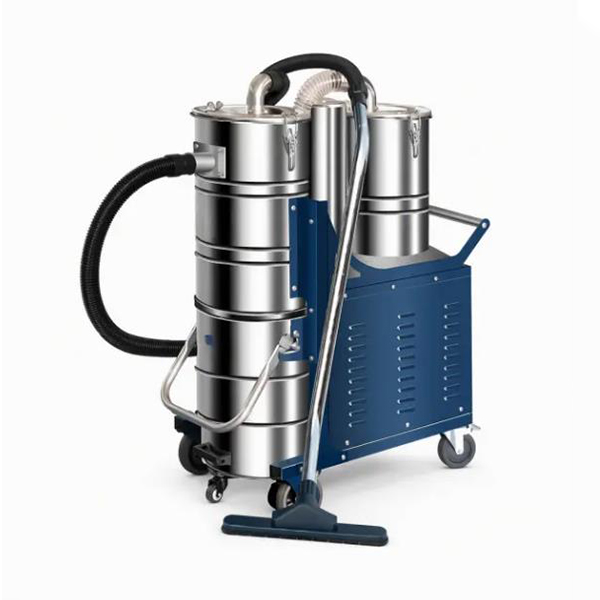
An industrial push vacuum cleaner is a machine that is equipped with wheels and operated by hand for difficult cleaning jobs in factories, shops, construction sites, warehouses, garages, etc. It can be used to collect liquid, dry dust, large materials, and everything in between, according to its specifications.
Key Specifications to Compare
| Specification | Why It Matters |
|---|---|
| Motor power, airflow, and suction | Determines debris pickup performance |
| Tank capacity | Affects emptying frequency and machine weight |
| Filtration | Controls dust release and protects the motor |
| Weight and mobility | Influences operator comfort and productivity |
| Power supply | Determines where and how long the vacuum can operate |
Power and Motor Performance
Motor wattage by itself does not give an overall picture. It is essential to look at airflow (in CFM and L/s), and suction pressure (in kPa or water lift). High airflow is needed for collecting larger waste like sawdust and maturing, while good suction power is helpful when it comes to cleaning small particles, wet waste, and for using a vacuum with long hoses.
For factory or workshop daily usage, ensure that the model selected has thermal protection and high duty cycle rating. When connecting the tool to grinders, sanders, or saws, request real-life extraction efficiency instead of motor wattage alone.
What Tank Size Works Best?
The size of the tank needed will depend on how much residue you are processing each time you work. Small tanks are easier to handle and store, whereas big tanks help limit downtime incurred due to having to be emptied regularly. For general commercial cleaning, a mid-range container might work. Places such as warehouses and factories may require bigger tanks or bagging setups.
When full, a larger tank can become significantly heavier. For extracting liquids, you should select a wet/dry variety that incorporates a float shutoff and drain system. A dry-only vacuum is not suitable for removing liquids from a site.
Which Filtration System Should You Choose?
When dealing with fine dust, filtration is extremely important. Common debris can usually be removed with a cartridge or washable filter, however the fine dust requires two or more filtering devices known as multi-stage filtration or HEPA filtration. Automatic filter cleaning systems are especially helpful for handling concrete dust, wood dust, and in the process of industrial cleaning due to their suction retention capabilities.
If you use silica, lead, asbestos, flammable dust, chemicals, or any other substances that are controlled by labor law, it is important to purchase equipment that is specifically approved for that type of activity. Make sure you check local safety regulations and material material safety data sheet before buying.
Does Weight and Size Matter?
Indeed, having an effective vacuum is of little use if it is hard to operate or maneuver. Make sure you have strong wheels, a good design, ergonomically shaped handles, and the size suited for your aisles and storage spaces.
Floor nozzles with a larger width help to clean bigger areas faster, while those with smaller width are more suitable for confined places. If the cleaner has to be carried upstairs or loaded in a vehicle, you should choose a lighter model or a vacuum cleaner with a removable tank.
Other Important Buying Factors
Verify if the machine in question is powered by cords or batteries. Corded devices help provide consistent usage but require a source of electric power and good cable management. Battery-powered machines are much more flexible but need to be assessed with regard to their performance in action, the time taken for charging, and the expense that would be incurred for getting a replacement battery.
Additionally, sound levels, nozzle diameter, extra attachments, warranty, filter availability, and local services should be taken into account. Relevant tools include nozzle heads, height tools, squeegee, brushes, and antistatic hoses.
Frequently Asked Questions
How much power does an industrial push vacuum need?
The necessary power is determined by the type of debris and purpose of use. Consider airflow and suction collectively, instead of relying solely on wattage as a measure of power. The suction required for fine dust or tool exraction must be stable and effective.
Is a wet and dry vacuum always better?
Sometimes. A wet and dry vacuum is perfect for facilities where both spills and dry trash are present. But if dry dust is all you need to collect, using a dry vacuum is likely to be much more efficient and affordable.
How can I prevent suction loss?
You must drain the tank on a recurring basis, check hoses for clogs, clean the filters as per the directions given, and employ the right nozzle and bag. Besides, in case of fine dust application, automatic filter cleaning may be used.
To summarize, the most effective Industrial Push Vacuum Cleaner optimally combines all features such as suction capabilities, air flow, tank size, filtration, mobility, and safety suitable for your work area. By complying with the specifications demanded by your cleaning tasks and characteristics of the dust collected, you would know the appliance that can meet your requirements and perform excellently.
Post time: Sep-07-2026