

When it comes to maintaining cleanliness in heavy-duty environments, nothing beats industrial vacuum cleaners. Designed to tackle tough messes and improve air quality, these machines are essential for various industries, including manufacturing, construction, and automotive services. This article will delve into the best types of industrial vacuum cleaners, their uses, and offer a comprehensive buying guide to ensure you choose the right one for your needs.
What Are Industrial Vacuum Cleaners?
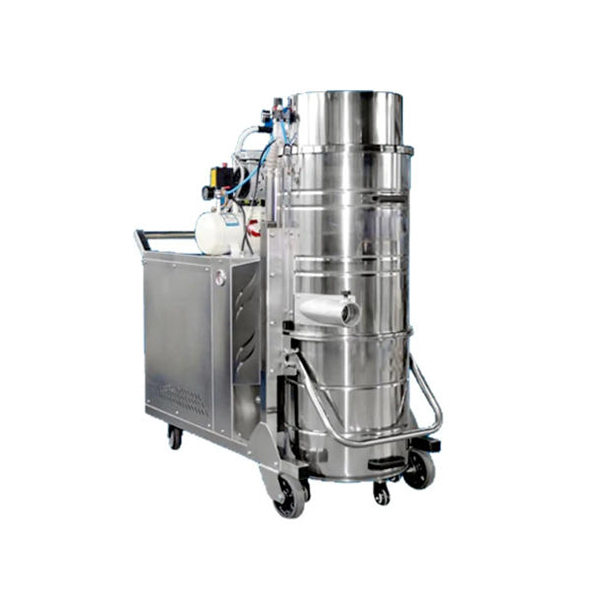
Industrial vacuum cleaners are specialized machines designed to handle larger volumes of debris, dust, and hazardous materials found in commercial and industrial settings. Unlike traditional vacuums, these machines are built for durability and efficiency, allowing operators to clean larger areas quickly while minimizing downtime. They boast professional quality that caters to a wide range of applications, from daily cleaning tasks to integration with equipment such as machine tools and pulse blowback systems for enhanced dust removal.
Types of Industrial Vacuum Cleaners
Understanding the different types of industrial vacuum cleaners is crucial for selecting the right model. Here are some common categories:
1. Dry Industrial Vacuum Cleaners: These are primarily used for regular dust and debris. They come equipped with various filtration systems to capture particles effectively.
2. Wet/Dry Vacuum Cleaners: Also known as shop vacs, these versatile machines can handle both liquid spills and solid debris, making them ideal for workshops and construction sites. They can effectively manage dust, iron filings, oil stains, and welding slag in one go.
3. HEPA Vacuum Cleaners: Equipped with High-Efficiency Particulate Air (HEPA) filters, these vacuums trap small particles, making them perfect for environments that require stringent air quality control, such as laboratories or hospitals.
4. Explosion-Proof Vacuum Cleaners: Designed to safely clean up flammable or explosive dust and debris, these vacuums are crucial in industries like pharmaceuticals and manufacturing of combustible materials.
Key Components and How They Work
Understanding key components is essential for any buyer. Here are a few:
1. Motors: Industrial vacuum cleaners utilize powerful motors to provide suction, ensuring effective debris removal. They are renowned for their strong suction and lasting durability.
2. Filters: The filter system determines the vacuum’s efficiency. HEPA filters, for instance, capture fine dust particles, while washable filters are cost-effective options.
3. Tanks: The capacity of the tank affects how much debris can be collected before it needs emptying. Larger capacities are beneficial for extensive cleaning tasks. Additionally, they are easy to clean, contributing to their long-lasting usage.
Key Factors to Consider Before Buying
Before making a purchase, consider these factors:
1. Purpose: Identify the specific tasks your vacuum will tackle. Will it be used primarily for solid debris, liquids, or a combination of both?
2. Power Requirements: Ensure you have access to appropriate power sources for the vacuum you choose. Some models may require specialized outlets or configurations.
3. Mobility: Depending on the size of your workspace, consider whether a portable or stationary unit is best. Options like industrial workshop vacuum cleaners may offer the maneuverability needed in tight spaces.
4. Noise Levels: If noise is a concern, look for models with lower decibel ratings. This is particularly important in environments where workers are nearby.
5. Maintenance: Consider ease of maintenance. Models with easy-to-access filters and components are generally more user-friendly.
FAQs about Industrial Vacuum Cleaners
What are industrial vacuum cleaners used for? They are used for various applications, including cleaning up dust, debris, hazardous materials, liquid spills, and improving workplace air quality.
Can I hire industrial vacuum cleaners? Yes, many companies offer industrial vacuum cleaners for hire for short-term projects or specific cleaning tasks.
What features should I look for? Look for features such as suction power, tank capacity, filter types, ease of use, and any specific needs related to your industry.
In conclusion, understanding industrial vacuum cleaners, their types, uses, and essential features is vital for making an informed purchase. By reflecting on your specific needs and considering the factors highlighted in this guide, you’ll be well-equipped to select the best vacuum cleaner for your industrial or commercial space. Their ability to integrate seamlessly with other machinery and tackle comprehensive cleaning tasks makes them indispensable in maintaining a clean and safe work environment.
Post time: Jul-15-2026