

Selecting an appropriate industrial vacuum cleaner can have a significant impact on the cleanliness, safety, and efficiency of your workspace. An industrial vacuum cleaner can handle more than just dust; it can also manage metal shavings, liquids, powders, and hazardous materials. This guide will detail everything you need to know about the most common types, main advantages, and useful purchasing hints so that you will choose the best model for your company.
What Makes Industrial Vacuum Cleaners Different?
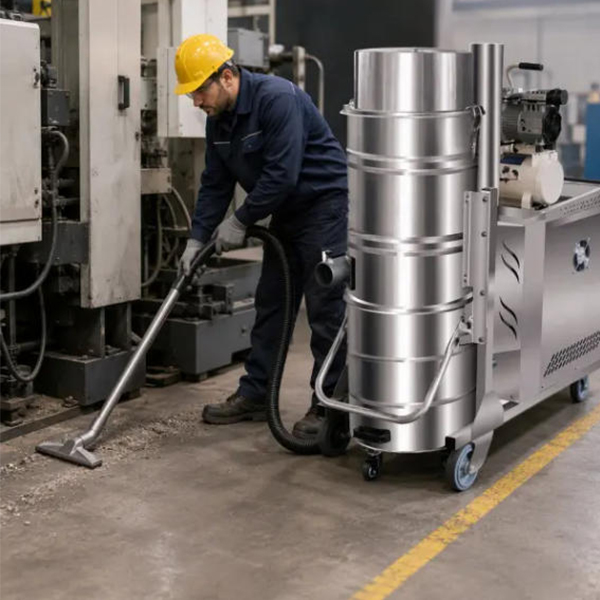
In contrast to household vacuums, which can be considered typical in use, industrial vacuums are all about strength and durability. Industrial vacuums are specially made for big messes and allow for power vacuuming with their larger tanks and stronger engines or filters. What this means in practice is an uninterrupted circulation of air, reduced time between cleaning operations, and less sweeping work than the endless cleaning done with home vacuum cleaners. No matter if you try to decide on the industrial vacuum cleaner for larger areas or compact models of vacuum cleaners for light work, needed designs are available.
Specifications
| Parameter | Specification |
| Model | DK-221MFC |
| Voltage/Frequency | 380V/50Hz |
| Power | 2200W |
| Vacuum | 250mbar |
| Airflow | 280m³/h |
| Filtration Area | 45000cm² |
| Noise Level | 68dB |
| Tank Capacity | 100L |
| Filtration Precision | 0.3um |
| Dimensions | 98*63*136cm |
| Inlet Diameter | 50mm |
| Weight | 85kg |
Common Types of Industrial Vacuum Cleaners
Dry Vacuums: If you need to collect dust, soil or powdery substance, a dry commercial vacuums are the way to go. They efficiently clean up wood chips, scraps, and debris with powerful suction and HEPA filters ensuring clean air.
Wet & Dry Vacuums: Wet and dry vacuums come in handy in places where both solid waste and spills need to be cleaned up. They are perfect for venues such as workshops, garages, and building sites, allowing for quick cleanup even while the mess continues to change.
Explosion-Proof Vacuums: Have you worked in hazardous places? You can count on explosion-proof machines to safely deal with combustible dust, materials, and chemicals for your safety and compliance with regulations.
Push Vacuums: Push vacuum cleaners are a favorite solution for expansive and open spaces, as being easy to move around, they quickly cover a larger area of space—think warehouses, gym floors, and production floors. For those looking for something quick without the hassle of heavy lifting, these might help.
Small & Portable Vacuums: When it comes to cleaning small places or hard-to-reach corners, the portable industrial mini vacuum is a great option. It’s light, easy to move around and still has a lot of power.
Key Advantages of Industrial Vacuum Cleaners
Versatility: These machines are capable of cleaning almost any type of mess. They have numerous available accessories and parts that allows you to complete the cleaning task without needing additional equipment.
Efficiency & Time-Saving: High suction power, large tanks, and specialized tools let operators clean faster, freeing time for other business activities.
Boosted Safety & Health: Advanced filtration removes toxic dust and purifies workplace air, helping protect employee health.
Durability: Tough engines, solid drums, and high-quality filters withstand harsh conditions, reducing repairs and replacements.
Versatility: With numerous accessories, these machines handle almost any type of mess without extra equipment.
How to Pick the Right Industrial Vacuum Cleaner
To start, analyze the kind of cleaning job you have; whether it’s dust, liquid, metal, etc. The second step is to identify the size of the area that you are working in; larger spaces may require push vacuums or central systems, while compact spaces require portable models. It is important to ensure that the cleaning equipment you choose will comply with safety regulations regarding hazardous or explosive materials. Finally, factor in the maintenance and support as proper servicing and spare parts are necessary.
Where Are Industrial Vacuums Used?
These tools have become commonplace. They are used in factories to manage dust levels, as well as remove metal debris generated during production processes. The food processing industry uses them to maintain sanitary conditions and avoid spillages of food materials. These machines are also vital in warehouses to ensure that floors remain safe and clean.
Industrial Vacuum Cleaner Buying Checklist
- Know your primary cleanup needs (dust, liquid, hazardous, etc.)
- Match vacuum size and type to your space and messes
- Check for the right filtration system and safety certifications
- Factor in durability, ease of maintenance, and after-sales support
- Consider your budget, both upfront and for long-term use
FAQs About Industrial Vacuum Cleaners
Why not use a standard vacuum cleaner?
Standard vacuums lack the power, strength, and safety features needed for industrial jobs, so they often fail even basic safety tests.
How often should filters be replaced?
It depends on usage and environment—heavy-duty or hazardous work requires more frequent replacement. Follow the manufacturer’s guidelines.
Can one vacuum do everything?
Modern vacuums are versatile if chosen to match your needs, but special jobs (e.g., explosive materials) require specialized machines.
Selecting the best industrial vacuum cleaner is all about selecting the best product for your workplace, safety requirements, and the type of debris to clean. The right model would save time, make work environments better, and withstand all the wear and tear. Therefore, make sure you do proper research—this will lead you to a cleaner, safer, and more effective workplace.
Post time: Oct-26-2026