

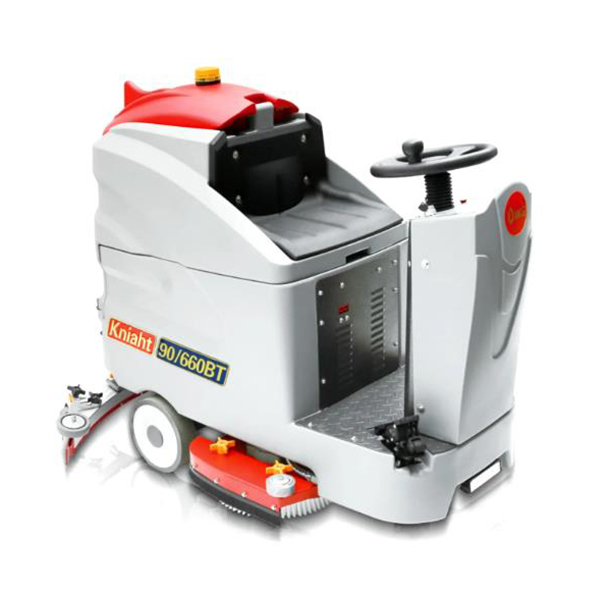
Maintenance of the Ride-On Floor Scrubber provides safety, results, and reliability. No matter where it is being utilized, simple attention from day to day will improve the function of the machine and reduce costs associated with repairs.
Daily Cleaning and Inspection
Prior to commencing work, complete a machine safety inspection for any leaks, broken components, defects in hoses or tires, and any other signs of damage. The braking system, steering system, emergency stop system, seat switch, warning lights, horns, and reversing alarm must be tested.
Verify the condition of the brushes, scrubbers, and squeegee blades. Clear off all hair, wire, plastic, and other waste. Make sure the solution reservoir has clean water and the right amount of good detergent in it.
At the end of each shift, empty and cleanse the recovery tank. Clean the screen in the tank, the float shut-off, the vacuum hose, the squeegee, the brushes, and the filter for the cleaning solution. Empty the cleaning solution tank if it is not to be used soon. Leave the tanks open, as safely as possible.
Battery Care and Charging
You are advised to utilize only that charger which is configured for your type of battery and your manufacturer’s model. Ensure that you charge the batteries in a place where there is adequate air and away from any fire or fireworks. Always check the charger wires and sockets before charging.
According to manufacturer’s recommendations, flooded lead-acid batteries may need distilled water. Maintain battery main terminals clean and dry. AGM and lithium-ion batteries cannot be opened or modified at all. In case any battery leaks, swells, gets too hot, or loses its power, stop using it immediately.
Brush and Pad Replacement
If the brushes or pads have become worn, torn, uneven, or ineffective in cleaning, then they must be replaced. The correct type and material to use must be chosen based on the type of floor surface being cleaned. It should be noted that aggressive pads might damage delicate floors, while worn brushes can cause excessive energy consumption and cleaning times.
The pads must be removed and cleaned thoroughly before being stored flat. Make sure the brushes are cleaned and dried completely before being stored.
Water and Solution System Care
After each use, make sure to clean out the solution tanks and recovery tanks. Inspect for any clogs or leaks in the filters, hoses, valves and spray devices. Only use appropriate chemicals within reasonable dilutions. Mixing chemicals and using flammable, corrosive or highly foaming substances should only be done in compliance with how the manufacturer recommends using the machine.
To keep water from freezing in pumps, hoses, and valves, it is important to abide by the instructions provided by the company during wintertime.
Squeegee and Vacuum Maintenance
Be sure to clean the squeegee blades and check for damage, wear, or hardening. If there is still water on the floor, check the vacuum hose, lid seal, float shut-off, and recovery tank. If the blades are worn, replace them and get in touch with an expert.
Maintenance Schedule and Safety
Check the equipment every day, clean it at the end of each shift, and inspect filters, hoses, wheels, fasteners, cables, and safety devices weekly or monthly, depending on the guidelines given in the equipment servicing manual. Also, make a note of the time of operation, the recharging of batteries, the number of repairs made, and parts substitution.
Prior to maintenance, ensure the vehicle is placed on a flat section of land, drop all the implements, use the parking brake, turn off the motor, take out the key from the ignition slot, and unplug the battery when required. It is strictly forbidden for unqualified individuals to work with chemistry related to the machines or batteries.
Frequently Asked Questions
How often should the machine be cleaned?
Every shift must include rinsing the tanks, brushes, pads, squeegees, and filters. Frequent use of the machines may warrant more frequent cleaning.
Why does the scrubber leave water behind?
Some of the typical problems include damaged squeegee blades, clogged vacuum hose, full recovery tank, or a uncleaned float filter.
When should I call a technician?
Hire experienced technicians to deal with electrical faults, problem with brake or steering, battery problem, abnormal noise from the motor, repeating trouble codes, or loss in cleaning ability.
Consistent performance from a Ride-On Floor Scrubber can be achieved through regular inspections, correct charging, proper changing of brushes and pads and tank management. Training of the operator and regular professional service will help minimize downtime and control the running costs.
Post time: Sep-09-2026