

Finding the right Vacuum Cleaners At a local store or online can be difficult because every home has different cleaning needs. The best vacuum depends on your floor type, home size, pets, allergies, storage space, and budget. This guide covers the main vacuum types, essential features, and simple ways to choose the right model.
Main Types of Vacuum Cleaners
Upright Vacuums
Upright vacuums are a strong choice for homes with lots of carpet. They usually have powerful suction, a wide cleaning path, and a motorized brush roll for lifting embedded dirt and pet hair. They can be heavier than other options, so they may be less convenient for stairs or small spaces.
Canister Vacuums
Canister vacuums have a separate wheeled body connected to a hose and wand. They are easy to move around furniture and work well on hard floors, rugs, stairs, curtains, and upholstery. They are especially useful for homes with mixed flooring.
Cordless Stick Vacuums
Cordless vacuum cleaners are lightweight, easy to store, and ideal for quick daily cleaning. Many convert into handheld vacuums for cars, furniture, and stairs. Before buying, check the real battery runtime with the motorized floor head in use. A removable battery is helpful for larger homes.
Robot Vacuums
Robot vacuums automatically collect dust, crumbs, and pet hair on a schedule. They are useful for everyday floor maintenance, especially in busy homes. However, they cannot replace a regular vacuum for stairs, upholstery, thick carpets, edges, and deep cleaning.
Handheld and Wet-Dry Vacuums
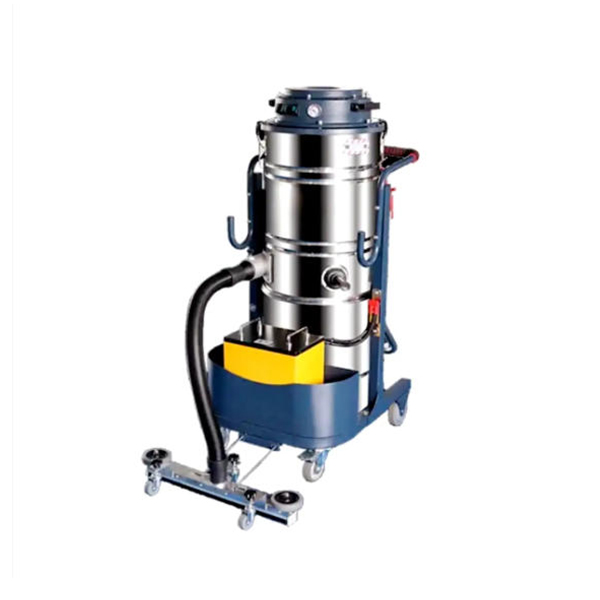
Handheld models are useful for car interiors, sofas, pet beds, and small spills. Wet-dry vacuums can handle dry debris and liquids, making them practical for garages, workshops, kitchens, and mudrooms.
Key Features to Look For
Do not choose a vacuum based only on motor power or price. These features have a greater effect on everyday performance:
- Motorized brush roll for carpets and pet hair
- Soft roller or brush-roll shutoff for hardwood, tile, and laminate
- Sealed HEPA filtration for allergies, asthma, and fine dust
- Anti-tangle brush roll for long hair and pet fur
- Easy-to-empty bin or bagged design for cleaner disposal
- Crevice tool, dusting brush, and mini motorized pet tool
- Manageable weight, swivel steering, and easy storage
For allergy sufferers, a sealed vacuum with HEPA filtration is usually the best option. Bagged vacuums also reduce dust exposure when emptying, while bagless vacuums avoid the ongoing cost of replacement bags.
How to Choose the Right Vacuum Cleaner
Choose by Floor Type
For wall-to-wall carpet, choose an upright or powered canister vacuum with a motorized brush roll. For hardwood, vinyl, tile, or laminate, use a soft roller or a vacuum with brush-roll control to avoid scattering debris or scratching surfaces. Homes with both rugs and hard floors need a multi-surface model that switches easily between settings.
Choose by Home Size
Small vacuum cleaners are often enough for apartments, dorms, and compact homes. A lightweight stick vacuum is easy to store and convenient for regular use. Larger homes may need a full-size upright, canister model, or cordless vacuum with an extra battery, larger dust bin, or longer runtime.
Choose by Household Needs
Pet owners should look for strong suction, an anti-tangle brush roll, a mini motorized attachment, and sealed HEPA filtration. If you have stairs, consider a lightweight cordless stick vacuum, canister vacuum, or model with a detachable handheld unit.
Top Recommendations by Need
| Need | Best Choice |
|---|---|
| Carpeted home | Upright vacuum with a motorized brush roll |
| Hard floors | Canister or stick vacuum with a soft roller |
| Pets | HEPA vacuum with anti-tangle brush and pet tool |
| Small apartment | Compact cordless or corded stick vacuum |
| Allergies | Bagged, sealed HEPA vacuum |
| Busy household | Robot vacuum plus a regular vacuum for deep cleaning |
Before You Buy
When comparing Vacuum Cleaners At different price ranges, read verified reviews and check warranty coverage, return policies, filter costs, battery replacement options, and available accessories. A lower-priced vacuum may cost more over time if filters, bags, or replacement parts are difficult to find.
Also consider maintenance. Empty the dust bin before it becomes full, clean filters as instructed, and remove hair from the brush roll regularly. Proper care helps maintain suction and extends the life of the vacuum.
Frequently Asked Questions
Which vacuum is best for most homes?
A cordless stick vacuum, upright vacuum, or canister vacuum is suitable for most homes. The best choice depends on your flooring, available storage, and whether you need portability.
Are cordless vacuums powerful enough?
Many cordless models work very well for hard floors, rugs, and daily cleaning. For large homes, thick carpet, or heavy pet hair, a corded upright or canister vacuum may provide stronger continuous performance.
Can a robot vacuum replace a regular vacuum?
No. A robot vacuum is ideal for daily maintenance but cannot fully clean stairs, furniture, upholstery, or deeply embedded carpet dirt.
The right vacuum cleaner should fit your home and cleaning routine rather than simply offer the most features. Choose a model designed for your flooring, prioritize filtration if allergies are a concern, and consider weight, storage, and maintenance costs. With the right choice, cleaning becomes quicker, easier, and more effective.
Post time: Sep-02-2026