

An electric sweeper is an effective cleaning solution that allows for efficient cleaning of different surfaces in a proper manner. It is designed to get rid of rubbish, dirt, and waste, and can be used in various areas of life such as industries, offices as well as private homes. The work of electric sweepers is based on the techniques that let these machines contribute to the cleaning process in an environmentally friendly way as they run on the electric power instead of fossil fuels. Thus, the main aim of this article is to discuss the working principles of electric sweepers, their components, main distinctions between the types of machines, and the surfaces that they can clean.
Key Components of an Electric Sweeping Machine
To comprehend how an electric broom function works, it is essential to examine its primary parts. Basically, they include;
1. Brush System: The typical operating component employed in cleaning usually has at least one rapidly moving brush for the purpose of stimulating debris and collecting dusts.
2. Vacuum System: Numerous electric sweepers make use of a vacuum system to assist in extracting finer particles for complete cleaning.
3. Dust Control Mechanism: Among the possible devices being referred to, there are dust collecting bins, filters, etc. preventing the materials from entering back into the surrounding air.
4. Power Source: At present, electric sweepers are powered using batteries; hence, they are more eco-friendly when compared with models powered by gasoline.
5. Chassis: The body of the device includes all of its parts and makes it stable and easy to move.
How Does an Electric Sweeping Machine Work?
Electric sweeper machine operation is quite simple yet effective. The brushes start spinning at high speed once the machine is turned on, which moves all dirt and debris lying on the surface. The dislodged particles will then travel through suction to the dust bag or dust hopper. Nowadays, some machines feature advanced options such as water spraying or other filtering capabilities. Using the combined functions of the machine allows accomplishing a cleaning task quicker than by using manual techniques.
Ride-On vs Walk-Behind Electric Sweepers
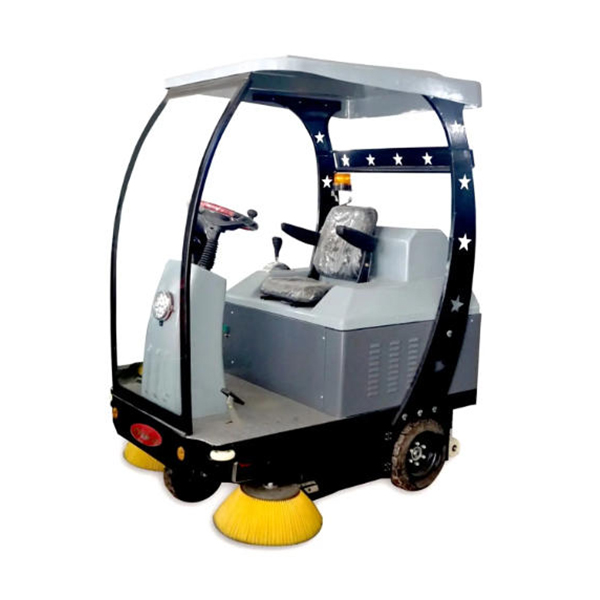
When looking for an electric sweeper, you will usually find two types available, ride-on and walk-behind. The electric ride-on sweepers are made for large areas where the operator can sit down comfortably while getting the cleaning done. The machine has more power and capacity when compared to other machines and is suitable for industrial applications.
On the other hand, walk-behind electric sweepers are small and easy to use, making them perfect for smaller areas such as sidewalks or smaller commercial areas. They provide better maneuverability but involve more physical work. In the end, it all depends on what cleaning is required and on the layout of the site.
What Surfaces Can an Electric Sweeper Clean?
Electric sweeping machines are versatile and suitable for various surfaces, including:
- Concrete floors
- Asphalt
- Tile and hardwood surfaces
- Carpeted areas (with specific models designed for this purpose)
- Outdoor paths and driveways
Electric sweepers’ versatility gives them great appeal for businesses requiring continuous maintenance in versatile workspaces.
To sum up, the electric sweeping machine is an efficient and eco-friendly way to keep different kinds of surfaces clean. Knowing its parts and working principle will help you choose the best model for your needs, whether it means a small walk-behind unit for tight areas or a large ride-on version for larger ones. The effectiveness of these devices makes them good for commercial, industrial and even household cleaning.
Post time: Aug-21-2026